


Kyoto eSIM.
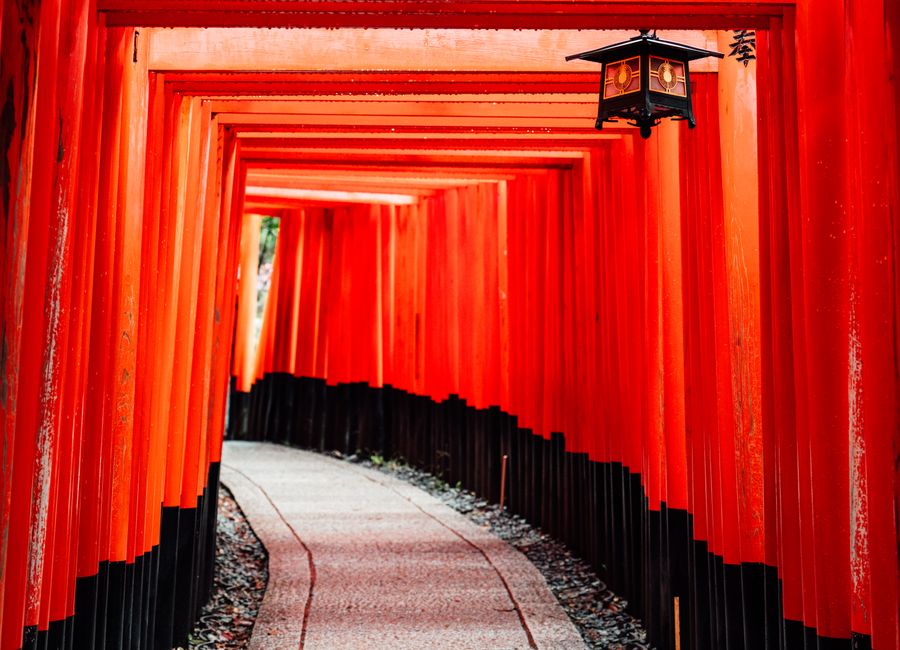
Torii tunnels at Fushimi Inari to Arashiyama's bamboo grove — Kyoto mapped in your hand.
Every plan: QR by email in minutes · data-only, keep your number · days start on first connection · top up anytime · the total shown is the whole bill. What's included →
Does an eSIM work in Kyoto?
Yes — the Japan eSIM works in Kyoto wherever its partner networks have signal. Central Kyoto, the station and main bus routes enjoy solid 4G/5G, but signal genuinely thins on wooded temple hillsides such as the Fushimi Inari trails and up in Arashiyama's bamboo groves and the northern hills.
Kyoto eSIM: your local data guide.
Kyoto rewards the traveller who wanders, but its temples and shrines sprawl across the hills and lean heavily on a bus network that baffles newcomers. A Kyoto eSIM keeps live bus directions, timed-entry tickets and translation apps working as you move from Gion's lantern-lit lanes to the torii tunnels of Fushimi Inari — no fumbling for a paper map between sights.
Install the QR at home, then switch the eSIM on as you taxi in — you're online before you reach the arrivals hall.
Where you'll lean on data in Kyoto.
Offline maps keep you oriented on the mountain's looping torii-gate trails, where the crowds thin and English signage all but disappears.
Book the Sagano scenic railway or a Hozugawa river boat, then navigate from the bamboo grove to Tenryu-ji and the monkey park.
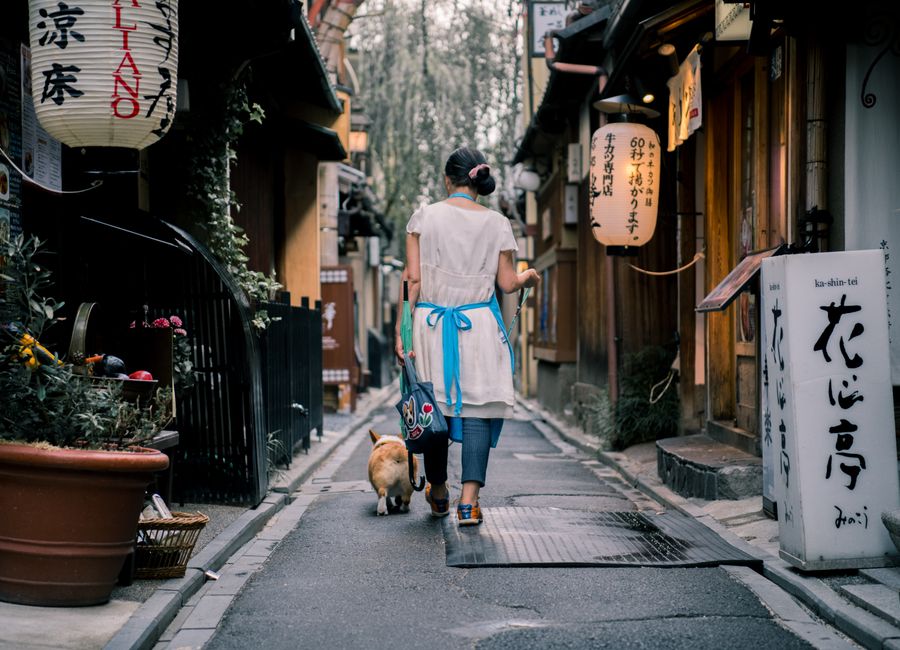
Look up geisha-district etiquette and dinner reservations, and use maps to find Pontocho's riverside alley after dark.
Google Lens translates the stall signs along 'Kyoto's Kitchen' so you know exactly what skewer or pickle you're buying.
Getting around Kyoto on your eSIM.
- Google Maps— Best for Kyoto's bus-heavy network, routing live to temples, shrines and Arashiyama; needs data.
- Arukumachi KYOTO Route Planner— Kyoto's official app covering city buses and trains with fares; data-driven journey search.
- GO— Hail a taxi for temples off the bus lines; live tracking and cashless pay need data.
- Japan Travel by NAVITIME— Tourist-focused planner for Kyoto buses and Kansai rail, with English routing; requires data.
Kyoto typically warrants two to three days, enough for the major temples, Fushimi Inari, Arashiyama and an evening in Gion, often as part of a wider Kansai trip.
Kyoto's bus-heavy sightseeing means heavy map and route checking, so a balanced 3-5 GB suits most stays; a light 1 GB is fine for a quick one-day stopover between cities.
Central Kyoto, the station and main bus routes enjoy solid 4G/5G, but signal genuinely thins on wooded temple hillsides such as the Fushimi Inari trails and up in Arashiyama's bamboo groves and the northern hills.
Discover Kyoto.


The short version.
A travel eSIM is data only. It sits next to your home SIM, so your number, texts and WhatsApp carry on as normal. Pick unlimited, priced per day, or a fixed bundle of GB if it's mostly maps and messages. Install it on Wi-Fi before you fly — the days only start once it first connects in Kyoto, and it finds a partner network on its own.
Coverage in Japan.
- NTT Docomo
- SoftBank
- au (KDDI)


